Chocolate ice-cream

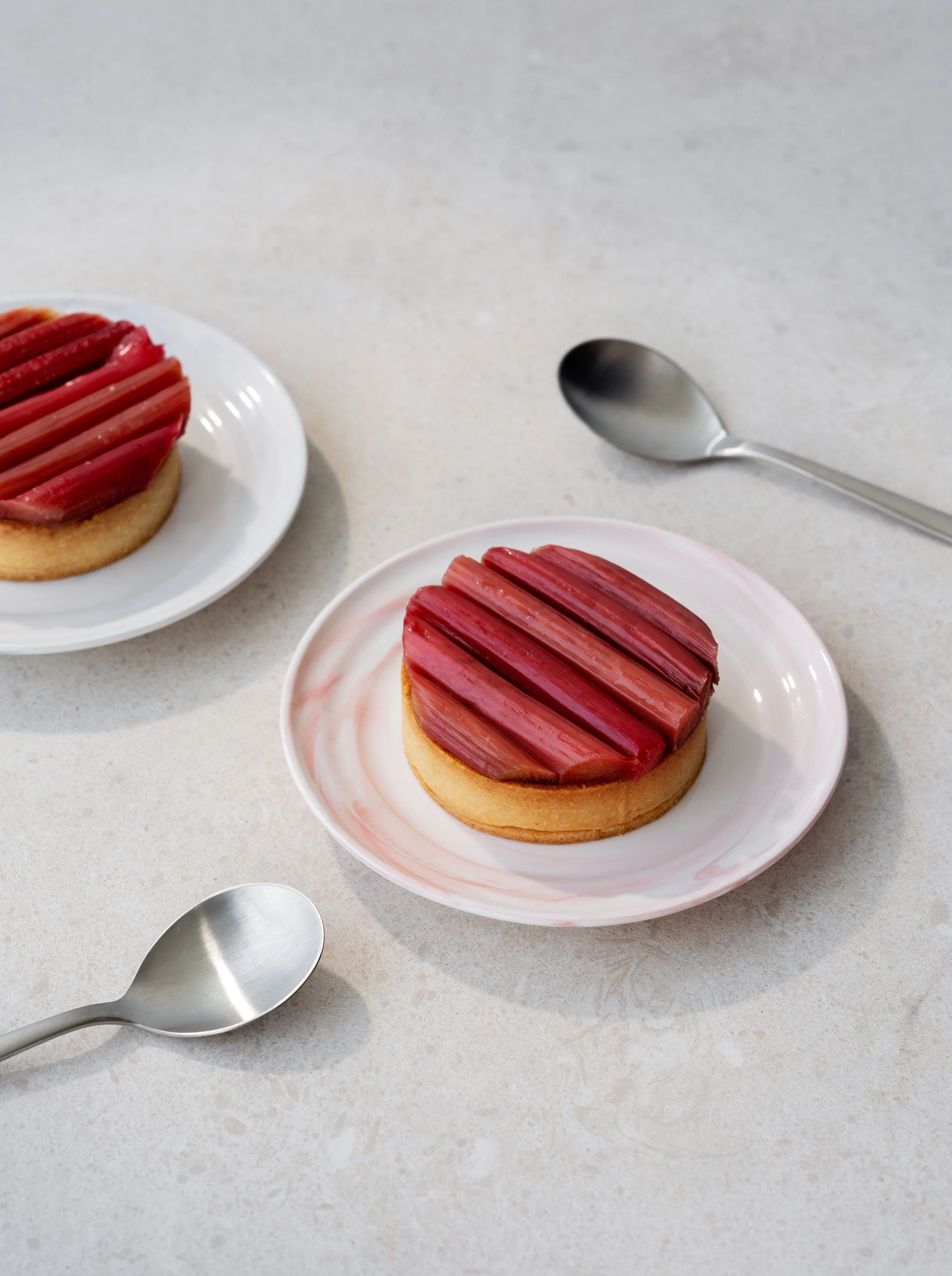
“This base recipe sits somewhere between ice cream and gelato, with a lower milk-fat content than a traditional ice cream to make up for the added fat from the chocolate. Keeping the fat content lower allows the full, rich flavor of the chocolate to shine. Important for all ice creams, but especially for chocolate: Add a good pinch of salt! Try a teaspoon of the custard before and after adding salt, and you will be amazed at what a little pinch can do to add depth of flavour and make the chocolate taste even more chocolaty. I prefer 62 to 64 percent bittersweet chocolate and at least 40 percent milk chocolate for ice creams, but you can use anything from white chocolate to 80 percent dark chocolate in this recipe, depending on how intense and dark you prefer the flavour to be.” Europe—it only reached Europe via the Silk Road in the 1300s. This tart was inspired by that travel, combining rhubarb with the delicate floral flavour of jasmine, the creamy sweetness of coconut, and a bit of brightness from lemon zest.” — Marie Frank
Makes about 1 litre
550ml whole milk
½ cup / 120ml heavy cream
2 tbsp / 40g Invert Sugar Syrup (see below)
½ cup / 100g sugar
3 egg yolks
115g chopped chocolate
sea salt
Invert Sugar Syrup - makes about 6 cups / 1.5L
5 cups / 1kg sugar
1¼ cups / 300ml water
¼ tsp citric acid, or cream of tartar
Fill a large bowl halfway with ice water and place it in the sink.
Combine the milk, cream, and invert sugar in a medium heavy-bottomed saucepan and cook over medium heat until hot and steaming but not boiling.
Whisk together the sugar and egg yolks in a medium heatproof bowl until combined. Temper the yolks by slowly pouring the hot mixture over the egg yolks while whisking continuously to prevent them from curdling.
Return the mixture to the pan and cook over low heat, stirring constantly with a rubber spatula, until the custard reaches 82°C on an instant-read thermometer. Add the chocolate to the hot custard and use an immersion blender to blend until the chocolate is completely melted and the custard is smooth. Pour the custard into a medium metal bowl and nestle it in the ice bath.
Stir the custard occasionally until it reaches 10°C on the thermometer. Pour the custard through a fine-mesh sieve into an airtight container and refrigerate for at least 6 hours or overnight.
Emulsify the cold custard with an immersion blender and season with a pinch of salt before adding to an ice cream maker and churning according to the manufacturer’s instructions. The ice cream is ready when the texture is like soft serve, and a scoop of ice cream holds its shape, 20–30 minutes.
Transfer the ice cream to an airtight container and freeze for at least 3–4 hours before serving.
Note: If using a Ninja CREAMi or similar machine, freeze the custard for at least 24 hours. Churn in the Ninja, then freeze for at least 3–4 hours before serving.
Invert Sugar Syrup
Invert sugar is a dense sugar syrup often used in ice creams and confections. It is made by boiling a simple syrup with an acid to break the bonds between the glucose and fructose that make up sucrose, otherwise known as table sugar. The syrup inhibits the formation of ice crystals and gives a creamy texture to ice creams and sorbets.
Combine the sugar, water, and cream of tartar in a large pot and bring to a boil over medium heat, stirring to dissolve the sugar.
Cook without stirring, to keep the sugar from crystallising, until the mixture reaches 114°C on an instant-read thermometer. Remove the pot from the heat and let cool to room temperature. Scrape into a clean airtight container and store in the refrigerator for up to 6 months.
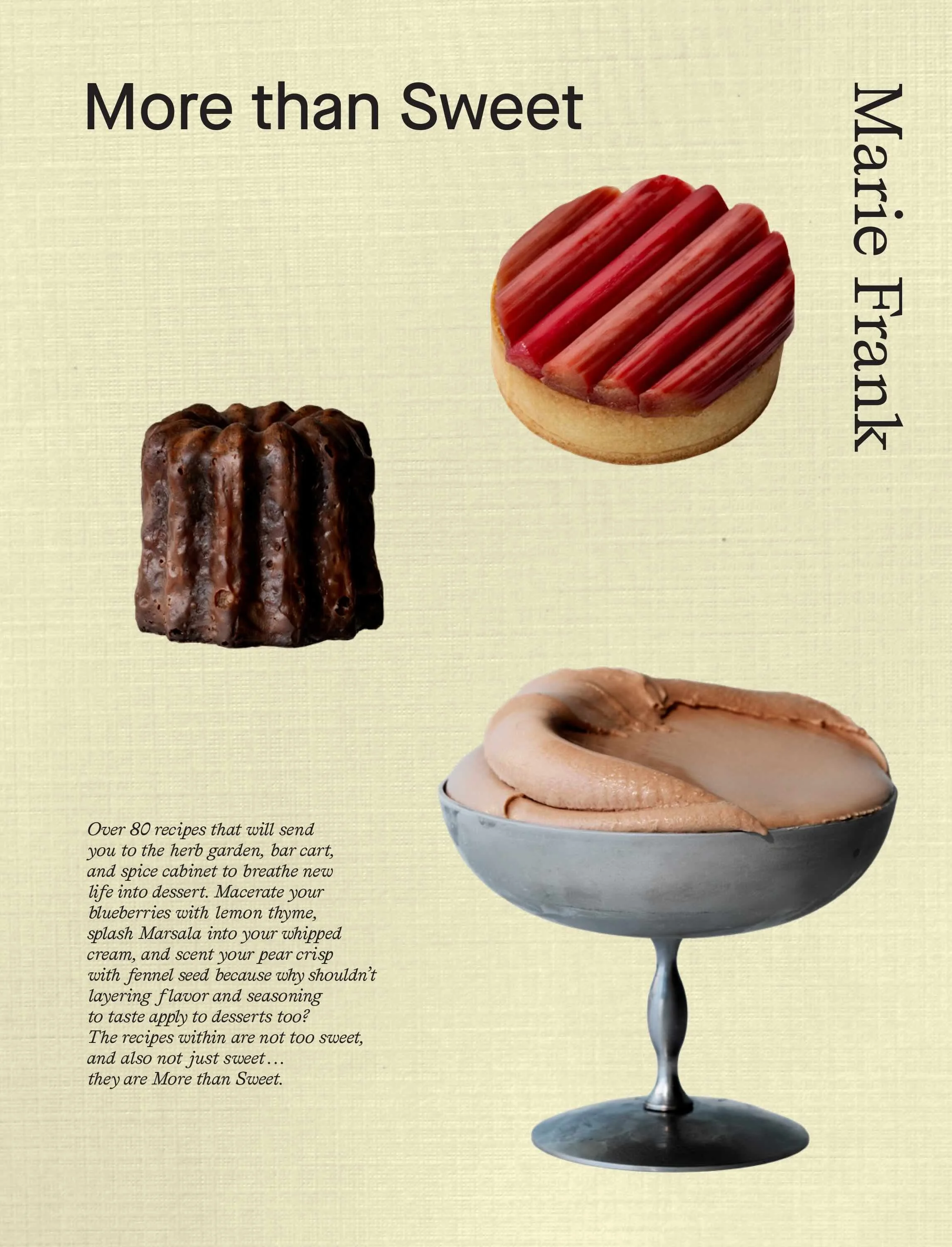
This is an edited extract of More Than Sweet by Marie Frank. Published by Hardie Grant North America.
📷 Line Klein.